
Understanding Acne: Causes and Symptoms
Acne is a common skin condition that primarily affects adolescents and young adults, although it can occur at any age. It is characterized by a variety of blemishes, including pimples, blackheads, and cysts. Understanding the underlying causes of acne is crucial for effective treatment and prevention. One primary cause of acne is hormonal changes, particularly during puberty, menstruation, or pregnancy. These hormonal fluctuations can increase sebum production, leading to clogged pores that serve as a breeding ground for bacteria.
Diet is another significant factor that can contribute to the development of acne. Certain foods, especially those high in refined sugars and dairy products, have been implicated in triggering acne flare-ups. Pollution and humidity can worsen acne conditions. They irritate the skin or cause increased oil production.
There are several types of acne, each presenting distinct characteristics. For example, comedonal acne manifests as non-inflammatory lesions like blackheads and whiteheads. In contrast, inflammatory acne includes papules and pustules. It is marked by redness and swelling. This occurs due to the body’s immune response to bacterial overgrowth. More severe types, like nodular and cystic acne, can lead to significant discomfort and scarring.
Common symptoms linked to acne extend beyond mere breakouts. Inflammation and redness are prevalent, often accompanied by pain or tenderness in the affected areas. Scarring can occur when acne is severe or when blemishes are picked or squeezed. Recognizing these symptoms allows individuals to find the type of acne they are experiencing. This understanding enables a more targeted approach to treatment.
The Importance of Skin Cleansing for Acne Management
Cleansing the skin is a fundamental step in managing acne-prone skin effectively. Several factors contribute to acne. These include the overproduction of sebum, the growth of acne-causing bacteria, and the accumulation of dead skin cells. Regular cleansing helps to remove excess oils, dirt, and impurities that can contribute to these issues.
Incorporating a diligent cleansing routine can prevent clogged pores, which is a primary contributor to the formation of acne lesions. It is essential to select a cleanser that is appropriately formulated for acne-prone skin. Gentle, non-comedogenic products are recommended as they guarantee that pores stay clear while avoiding extra irritation. Ingredients like salicylic acid or glycolic acid can be beneficial. They exfoliate the skin and prevent pores from becoming blocked.
Yet, it is vital to follow specific do’s and don’t while cleansing skin prone to acne. Do wash your face twice daily—once in the morning and once before bedtime—to guarantee that impurities do not accumulate. Choose lukewarm water for cleansing. Hot water can strip the skin of natural oils. This leads to reactive in flammation and even more breakouts. Additionally, avoid scrubbing the skin too harshly, as this can exacerbate acne symptoms and irritate the skin further.
Conversely, do not over-cleanse or use harsh exfoliants too often. These practices can disrupt the skin’s natural barrier. They can lead to increased oil production or irritation. Keeping the skin hydrated with a suitable moisturizer is also beneficial. It helps to keep the balance of moisture without contributing to acne. In conclusion, proper skin cleansing is a cornerstone of effective acne management, facilitating a clearer, healthier complexion when performed correctly.
DIY Acne-Fighting Face Masks: Recipes and Benefits
For individuals with acne-prone skin, natural remedies can offer a gentle yet effective solution. DIY face masks use ubiquitous ingredients found in our kitchens. These masks not only promote clear skin but also harness nature’s power to soothe inflammation. They help reduce breakouts. Here are several recipes that use proven ingredients known for their acne-fighting properties.
One popular choice is the honey and cinnamon mask. Mix two tablespoons of honey with one teaspoon of cinnamon. This combination forms a potent mask. It can help reduce acne due to honey’s antibacterial qualities. Honey retains moisture while acting as a natural humectant, keeping the skin hydrated. Cinnamon, on the other hand, helps to improve circulation and reduce redness and swelling.
Another commendable recipe involves aloe vera and tea tree oil. Use a tablespoon of fresh aloe vera gel. Add a few drops of tea tree oil. Apply the mixture to the affected areas. Aloe vera is revered for its soothing properties, which can help calm irritated skin. Tea tree oil is renowned for its antimicrobial efficacy, effectively targeting acne-causing bacteria. This mixture not only aids in clearing existing blemishes but also works to prevent future breakouts.
A third valuable choice is the oatmeal and yogurt mask. Mix one tablespoon of plain yogurt with two tablespoons of finely ground oatmeal. Let it sit on the skin for about 15 minutes. Oatmeal acts as a natural exfoliant and is incredibly soothing for inflamed skin. Yogurt contributes probiotics that help balance the skin’s microbiome, fostering a healthy environment for skin regeneration.
Each of these masks provides a unique combination of benefits. They help promote clearer skin. They also keep hydration and soothing properties. Individuals can use these simple DIY recipes designed for acne-prone skin. They can harness the natural power of effective ingredients to combat acne.
Choosing the Right Store-Bought Face Masks for Acne Relief
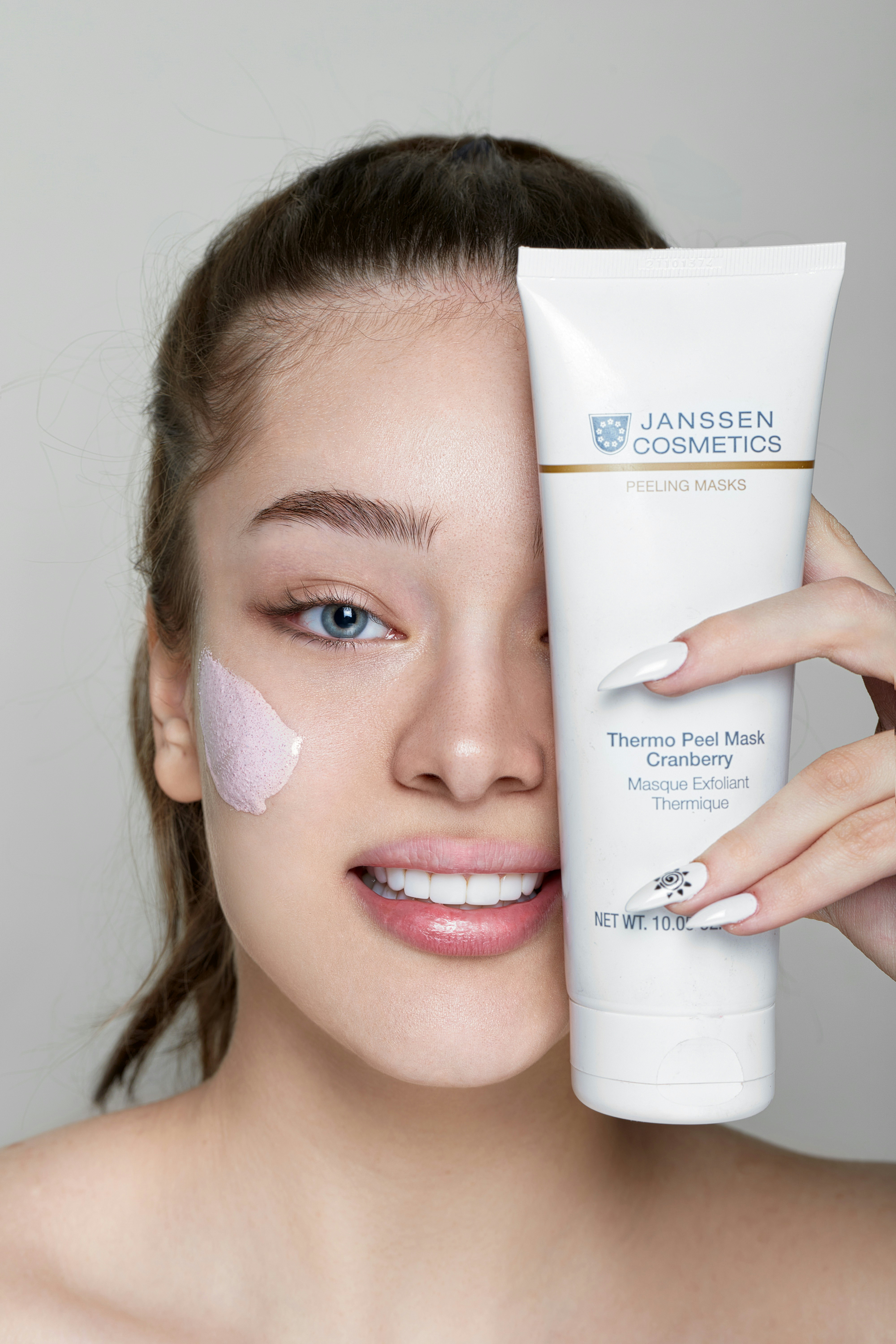
When it comes to selecting store-bought face masks for acne-prone skin, understanding the right ingredients is crucial. Look for products that contain salicylic acid. It is a beta-hydroxy acid renowned for its ability to penetrate pores. It also removes excess oil and dead skin cells. This helps to prevent pore blockage, which is a significant cause of acne. Another effective ingredient is activated charcoal. It is known for its adsorption properties. These properties draw out impurities and excess sebum. This further reduces the likelihood of breakouts.
Additionally, consider face masks with clay, particularly kaolin or bentonite clay, which help to absorb oil and detoxify the skin. These types of masks often offer immediate relief and can make the skin feel clean and revitalized. Tea tree oil is another beneficial addition. It has natural antibacterial properties. These properties can help in reducing inflammation and redness linked to acne. Keep an eye out for non-comedogenic labels to confirm that the product won’t clog your pores.
Incorporating these face masks into your skincare routine can enhance the effectiveness of your acne management regimen. For optimal results, apply a face mask one to two times a week. Your skin’s sensitivity and the mask’s formulation will guide this frequency. Always start with a clean face for best absorption of beneficial ingredients. Follow the instructions on the packaging about application time and removal to avoid any potential irritation. After using a mask, apply a lightweight, oil-free moisturizer. This will keep hydration without exacerbating acne.
Key Takeaways
- Acne is a common skin condition influenced by hormonal changes, diet, pollution, and humidity, resulting in various blemishes.
- Effective acne management requires a diligent skin cleansing routine to remove excess oils and prevent clogged pores.
- DIY face masks using ingredients like honey, cinnamon, aloe vera, and tea tree oil can soothe inflammation and reduce breakouts.
- Choosing store-bought masks with salicylic acid, activated charcoal, or clay can enhance acne treatment effectiveness.
- Maintaining a consistent skincare routine is essential for achieving clearer skin and preventing future acne flare-ups.
Estimated reading time: 6 minutes