
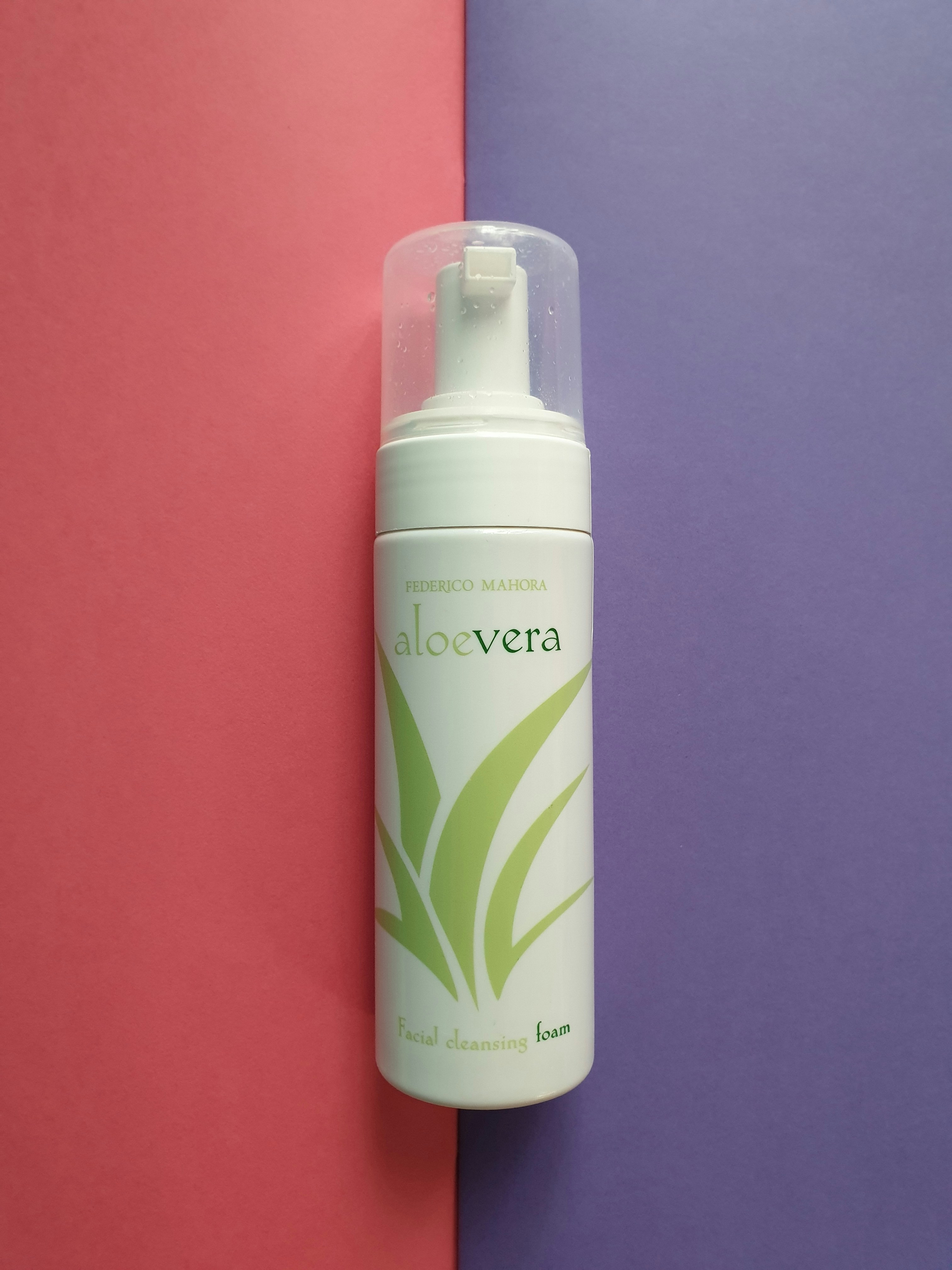
Understanding Pimples: Causes and Types
Pimples, a common skin issue affecting individuals of all ages, are primarily caused by an interplay of various factors. Hormonal changes are one of the primary triggers. These changes occur particularly during puberty, menstruation, and pregnancy. They can lead to an increase in oil (sebum) production. This excess oil clogs the hair follicles, providing an ideal environment for bacteria, like Propionibacterium acnes, to thrive. As these bacteria multiply, inflammation occurs, resulting in the formation of pimples.
Furthermore, lifestyle factors like stress, diet, and exposure to environmental pollutants can exacerbate the condition. Diets high in refined sugars and dairy products have been linked to increased acne severity. This suggests that dietary choices play a significant role in the skin’s health.
Understanding the different types of pimples is essential for effective treatment. Common types include whiteheads. These form when the clogged pore is not exposed to air and remains closed. Blackheads are characterized by open pores that have oxidized and turned dark. Cystic acne presents as painful, deep lumps under the skin. Each type requires different approaches in terms of management and treatment, making it crucial to recognize them accurately.
Natural remedies, like Aloe Vera and Neem face packs, can be beneficial in addressing these skin issues. They have anti-inflammatory and antimicrobial properties. Using such treatments can aid in reducing the severity of pimples, hence promoting clearer skin.
Benefits of Aloe Vera for Skin Health
Aloe vera is renowned for its remarkable skin benefits. It has been utilized for centuries as a natural remedy for various skin issues. It is particularly effective for acne and pimples. One of its key properties is its soothing effect, which is particularly beneficial for inflamed skin. When applied topically, aloe vera gel can significantly reduce redness. It soothes irritation, making it an ideal treatment for individuals struggling with acne.
Furthermore, aloe vera possesses strong anti-inflammatory properties that not only alleviate discomfort linked to pimples but also help reduce swelling. This dual action can lead to a noticeable improvement in the overall appearance of the skin, promoting a clearer complexion. The hydrating effect of aloe vera is another significant advantage. It penetrates deep within the skin layers. This ensures that moisture is retained. Unlike some harsh acne treatments that can lead to dryness, aloe vera keeps the skin adequately hydrated. Maintaining skin elasticity and resilience is crucial.
Besides these immediate benefits, aloe vera plays a vital role in healing and scar reduction. The gel from the aloe vera plant holds compounds like glucomannan and gibberellin. These compounds are known to promote cell regeneration. They also aid in tissue repair. Regular application of aloe vera supports the skin’s healing process. This practice is particularly beneficial for individuals with post-acne scars. Over time, it leads to diminished visibility of scars. Aloe vera offers hydration, reduces inflammation, and aids in healing. This makes it an exemplary ingredient for anyone aiming to enhance their skin health. It is especially beneficial for those dealing with acne and its aftereffects.
The Healing Properties of Neem in Acne Treatment
Neem, scientifically known as Azadirachta indica, is revered for its potent medicinal properties, especially in the realm of skincare. Recognized for its remarkable ability to combat acne, neem offers significant benefits that contribute to clearer skin.
One of the primary therapeutic attributes of neem is its antibacterial qualities. Research has demonstrated that neem effectively inhibits the growth of acne-causing bacteria, like Propionibacterium acnes. By eradicating these harmful microbes, neem prevents the onset of pimples and fosters a healthier complexion. Besides its antibacterial effect, neem also exhibits antifungal properties. These properties help reduce the risk of secondary infections. This is a common concern in individuals with acne-prone skin.
Furthermore, neem is celebrated for its anti-inflammatory benefits. Inflammation is a major contributor to acne flare-ups, as it intensifies redness and discomfort. The use of neem can alleviate such inflammation, resulting in reduced swelling and irritation. This is particularly valuable for those who experience cystic acne, characterized by painful, deep-rooted pimples.
Moreover, neem plays a pivotal role in regulating oil production within the skin. Excessive sebum or oil can lead to clogged pores, ultimately fostering an environment ripe for acne development. By balancing oil levels, neem maintains skin’s natural moisture while preventing the overproduction that leads to breakouts.
In conclusion, neem provides multiple benefits in treating acne. It has antibacterial and antifungal properties. Additionally, it offers anti-inflammatory and oil-regulating effects. These qualities make it an indispensable ingredient in natural skincare routines. Neem focuses on combating pimples and promoting clearer skin.
How to Make and Apply Aloe Vera and Neem Face Pack
Creating a face pack with aloe vera and neem is straightforward. This effective process can enhance your skincare routine. Here, we offer a detailed guide on how to prepare this natural remedy for pimples.
Ingredients Needed:
- 2 tablespoons of fresh aloe vera gel
- 1 tablespoon of neem powder
- 1 tablespoon of honey (optional)
- A few drops of lemon juice (optional, for oily skin)
Each of these ingredients contributes to the overall effectiveness of the face pack. Aloe vera is renowned for its soothing properties, while neem is effective in combating acne due to its antibacterial qualities.
Instructions for Preparation:
- Start by extracting fresh gel from an aloe vera leaf.
- In a clean bowl, combine the aloe vera gel and neem powder.
- If desired, add honey for its moisturizing benefits and lemon juice for extra oil control.
- Mix the ingredients thoroughly until you achieve a smooth paste.
Application Method:
- Start with a cleansed face. Use a gentle cleanser to remove dirt and impurities.
- With clean fingers or a brush, apply an even layer of the face pack to your face. Be sure to avoid the eye area.
- Allow the pack to sit for 15-20 minutes, enabling the active ingredients to penetrate the skin.
- Rinse off with lukewarm water, followed by a splash of cold water to close the pores.
- Pat your face dry with a clean towel.
Frequency of Use: This face pack can be applied 1-2 times per week for the best results. Nonetheless, individuals with sensitive skin should watch their skin’s reaction and adjust usage appropriately.
Precautions: Before applying the face pack, conduct a patch test on a small area of skin. This will make sure there are no allergic reactions. If irritation occurs, stop use at once.
Key Takeaways
- Pimples, caused by hormonal changes and lifestyle factors, result from clogged pores and bacterial growth.
- Different types of pimples, like whiteheads, blackheads, and cystic acne, need distinct treatment approaches.
- Natural remedies like aloe vera and neem effectively treat pimples due to their anti-inflammatory and antibacterial properties.
- Aloe vera hydrates skin and aids in scar healing, making it invaluable for acne-prone skin.
- Making a face pack from aloe vera and neem is simple, with specific instructions to guarantee effectiveness.
Estimated reading time: 6 minutes