
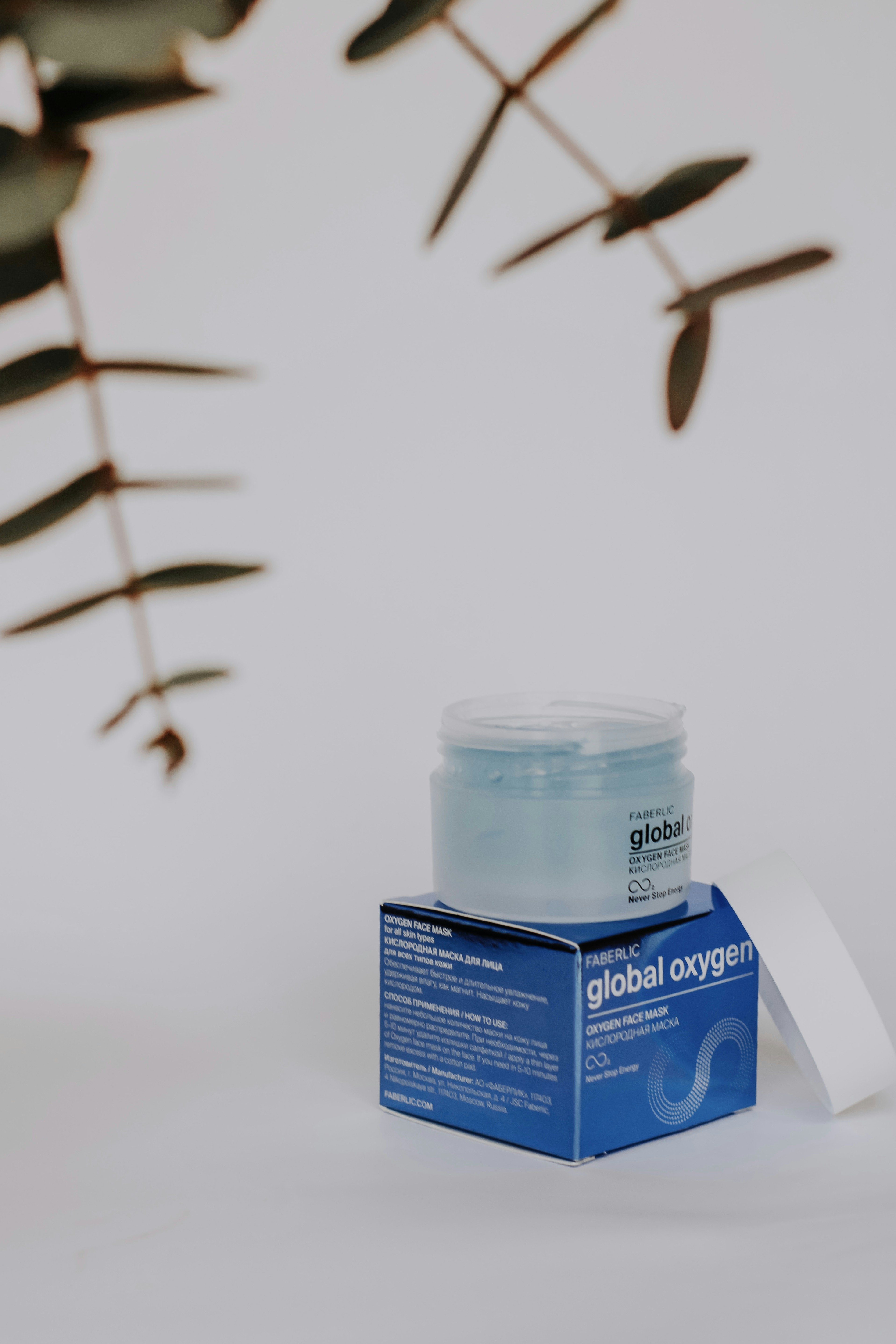
Understanding Skin Health

Skin health is a fundamental aspect of overall well-being, encompassing a range of factors that influence the appearance and function of the skin. The skin, being the body’s largest organ, serves several critical roles, including protection against environmental aggressors and regulation of body temperature. However, maintaining skin health can be a complex endeavor, as various skin types and common issues can arise.
There are generally four recognized skin types: normal, oily, dry, and combination. Each skin type presents unique characteristics and requires tailored skincare approaches. Oily skin, for instance, is prone to acne and blemishes due to excess sebum production, while dry skin may lead to flakiness and irritation, compromising the skin’s barrier function. Understanding one’s skin type is essential for developing effective skincare routines that promote clear skin.
Common skin issues such as acne, dryness, and blemishes often result from a combination of hormonal changes, environmental factors, and genetics. Hormonal fluctuations, particularly during puberty, menstrual cycles, or pregnancy, can trigger increased oil production, leading to acne outbreaks. Environmental factors such as pollution, humidity, and ultraviolet exposure can exacerbate existing skin conditions or initiate new issues. Moreover, genetic predispositions play a significant role in determining skin type and susceptibility to common skin problems.
Beyond these influences, diet and lifestyle choices considerably impact skin health. A balanced diet rich in vitamins, minerals, and antioxidants can support the skin’s structure and function. Hydration also plays a crucial role, as water intake helps maintain elasticity and prevents dryness. Lifestyle factors, including stress management and regular physical activity, further contribute to the skin’s appearance and overall health. By considering these components, individuals can begin to lay the groundwork for achieving clear skin naturally.
Natural Remedies for Clear Skin

The quest for clear skin often leads individuals to explore natural remedies, which can be both effective and gentle on the skin. One of the most popular ingredients in natural skincare is honey. Renowned for its antibacterial properties, honey can act as a natural moisturizer and is beneficial in the treatment of acne. To use honey, simply apply a thin layer to the affected areas, leave it on for about 20 minutes, and then rinse with lukewarm water. This remedy not only helps in clearing blemishes but also hydrates the skin.
Aloe vera is another remarkable ingredient known for its soothing and healing properties. Rich in vitamins and antioxidants, aloe vera can reduce inflammation and redness, making it ideal for sensitive skin. To apply, cut a fresh aloe vera leaf and extract the gel. Spread the gel over your face and allow it to dry before rinsing off with water. Regular use can contribute to a clearer, more radiant complexion.
Tea tree oil is a potent essential oil used in natural skincare due to its antimicrobial properties. It can be effective in treating acne and preventing breakouts. However, it is crucial to dilute tea tree oil with a carrier oil, such as coconut or jojoba oil, before applying it directly to the skin. A mixture of one part tea tree oil to nine parts carrier oil can be applied to problematic areas to promote clearer skin.
Various herbs also offer benefits for achieving clear skin. For example, chamomile has anti-inflammatory properties that can calm irritated skin, while green tea is rich in antioxidants, which can help in reducing oiliness and combating acne. Incorporating these remedies into a regular skincare routine requires consistency and mindfulness to any potential skin sensitivities.
Importance of Diet and Hydration

The connection between diet, hydration, and skin health plays a crucial role in achieving and maintaining clear skin. A well-balanced diet rich in essential nutrients not only benefits overall health but also directly influences skin appearance and condition. Foods like fruits and vegetables are packed with vitamins, minerals, and antioxidants that help combat skin damage and promote vitality. For instance, fruits such as berries, oranges, and avocados are excellent sources of Vitamin C and E, which are known for their skin-enhancing properties. Similarly, leafy greens, which are high in Vitamin A and iron, aid in the skin’s ability to repair and rejuvenate itself.
Whole grains and healthy fats are also important components of a diet that supports clear skin. Whole grains, such as brown rice, quinoa, and oats, are rich in fiber, which helps regulate blood sugar levels and can prevent breakouts. On the other hand, sources of healthy fats such as avocados, nuts, and olive oil can provide moisture for the skin, enhancing its elasticity and suppleness. Conversely, it is essential to be mindful of certain foods that may trigger skin issues. Processed foods high in sugar and unhealthy fats, like fried foods and pastries, have been linked to acne and other skin conditions due to their inflammatory effects.
Staying adequately hydrated is equally important for skin health. Water is vital for maintaining skin elasticity, ensuring it remains plump and youthful. Proper hydration aids in flushing out toxins and can minimize the appearance of wrinkles. It is generally recommended to consume at least eight glasses of water daily; however, individual needs may vary based on factors such as age, activity level, and climate. Introducing skin-friendly foods into daily meals can be accomplished through simple changes, such as incorporating a variety of colorful fruits and vegetables, choosing whole grains over refined counterparts, and replacing unhealthy snacks with nourishing options. By focusing on nourishing the body, clearer and healthier skin can be achieved naturally.
Lifestyle Changes for Healthy Skin

Achieving clear skin naturally requires not only a focus on skincare products but also a holistic approach that incorporates significant lifestyle changes. One of the primary factors influencing skin health is regular exercise. Engaging in physical activity boosts circulation, allowing nutrients and oxygen to reach skin cells more effectively. Additionally, sweat produced during exercise helps to eliminate toxins from the body, which can prevent breakouts and lead to a more radiant complexion. Aim for at least 30 minutes of moderate exercise most days of the week to reap these benefits.
Equally important is the management of stress, which can have detrimental effects on the skin. Elevated stress levels trigger the production of cortisol, a hormone that can exacerbate skin issues such as acne and eczema. Implementing stress management techniques such as mindfulness, yoga, or deep-breathing exercises can contribute significantly to overall skin health. Establishing a daily practice that promotes relaxation not only benefits mental well-being but also helps to cultivate clearer skin.
Furthermore, adequate sleep plays a crucial role in maintaining healthy skin. During sleep, the body undergoes repair processes, including skin cell regeneration. Chronic sleep deprivation can lead to increased inflammation, dullness, and even premature aging. Aim for seven to nine hours of quality sleep each night to allow your skin to rejuvenate properly. Creating a calming bedtime routine can improve sleep quality; consider incorporating practices such as reading or taking a warm bath before bed.
Finally, establishing a self-care routine that encompasses these lifestyle changes can lead to profound improvements in skin health. This might involve setting aside time each day for exercise, creating a stress-reduction plan, or prioritizing rest. By integrating these practices into your daily life, you not only enhance your overall well-being but also pave the way for achieving clear skin naturally.