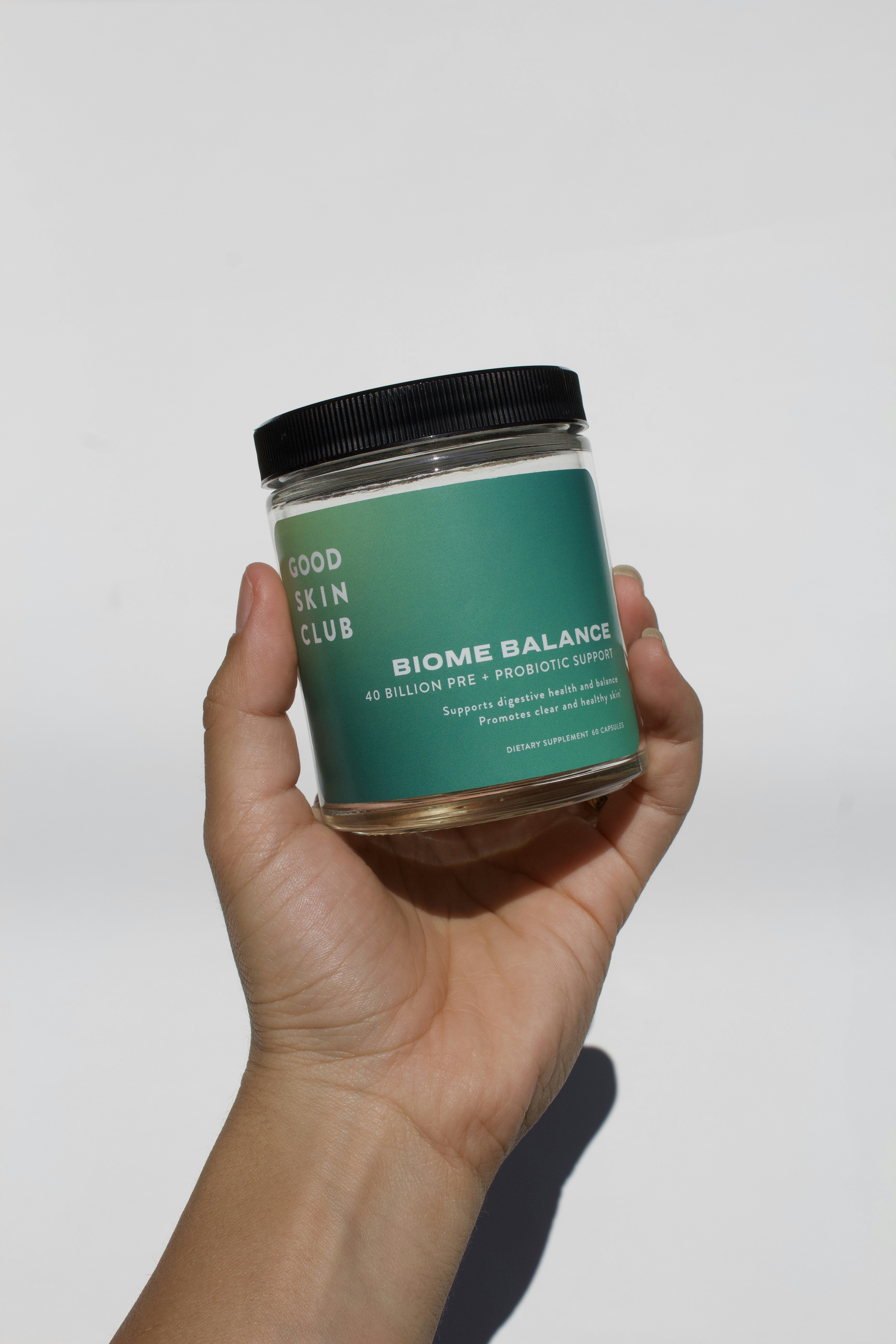
Understanding Acne: Causes and Contributing Factors
Acne is a multifaceted skin condition that affects individuals of all ages, primarily during adolescence and young adulthood. It is characterized by the presence of pimples, blackheads, and cysts due to a confluence of factors affecting the skin. Hormonal fluctuations are one of the primary drivers of acne. These fluctuations occur particularly during puberty, menstrual cycles, or hormonal imbalances. They can stimulate increased oil production in the sebaceous glands.
Excess sebum can inadvertently create an environment conducive to bacterial proliferation on the skin’s surface. The bacterium known as Propionibacterium acnes (P. acnes) can thrive when the pores become clogged with dead skin cells and excess oil, leading to inflammation and the characteristic lesions linked to acne. This inflammatory response significantly worsens acne. The immune system reacts to the bacterial presence, which further exacerbates the condition.
Moreover to hormonal influences and bacterial activity, external factors also contribute to acne development. Environmental pollution, use of comedogenic skincare products, and abrasive exfoliation can damage the skin barrier, negatively impacting overall skin health. Additionally, lifestyle choices like diet and stress levels are critical determinants of acne severity. Increased consumption of high glycemic index foods, dairy products, and certain unhealthy fats has been correlated with flare-ups. This correlation indicates that nutrition can directly influence skin health.
Understanding these underlying causes and aggravating factors is essential for developing effective treatment strategies for acne. This also sets the foundation for recognizing the potential role of probiotics in managing acne-prone skin. Probiotics help tackle the imbalances that contribute to this skin condition.
What Are Probiotics?
Probiotics are live microorganisms that confer health benefits to the host when consumed in adequate amounts. These beneficial bacteria primarily live in the gut and play a crucial role in maintaining various physiological processes. Probiotics enhance gut health. They help in regulating digestion and boosting the immune system. They also influence skin conditions like acne.
There are many strains of probiotics, each exhibiting unique properties and benefits. The most commonly studied probiotics belong to the Lactobacillus and Bifidobacterium genera. Lactobacillus aids digestion. It produces lactic acid, which helps keep an optimal pH level in the gastrointestinal tract. In contrast, several Bifidobacterium strains strengthen the gut barrier. They also modulate the immune response. This further promotes overall gut health.
Probiotics can be obtained from various sources, particularly fermented foods like yogurt, kefir, sauerkraut, and kimchi. These foods contain naturally occurring strains of beneficial bacteria that can be easily integrated into one’s diet. Alternatively, probiotic supplements are readily available, offering specific strains in concentrated doses for targeted effects. This flexibility allows individuals to choose the best method of incorporating probiotics into their wellness routine.
Maintaining a healthy gut microbiome is vital for overall health and well-being. Emerging research has established a convincing link between gut health and skin conditions, including acne. An imbalanced gut microbiome may contribute to inflammation and the overgrowth of harmful bacteria, which can exacerbate acne. Thus, ensuring a proper intake of beneficial probiotics is a proactive approach. It not only enhances gut health but also improves skin conditions related to acne.
The Science Behind Probiotics for Acne-Prone Skin
Recent research has revealed a compelling connection between gut health and skin conditions, particularly acne. Probiotics are live microorganisms. They support a healthy balance of gut bacteria. These microorganisms have gained attention for their potential benefits in managing acne. By modulating the gut microbiome, these beneficial bacteria may indirectly influence skin health.
One of the primary mechanisms by which probiotics can help alleviate acne symptoms is through their anti-inflammatory properties. Acne often results from inflammation caused by various factors, like excess sebum production, clogged pores, and bacterial overgrowth. Scientific studies suggest that probiotics can reduce systemic inflammation, lowering the severity of acne outbreaks. They achieve this by enhancing the gut barrier function. They also reduce intestinal permeability. This prevents the translocation of pro-inflammatory substances into the bloodstream.
Furthermore, probiotics help balance skin microbiota, which is crucial for maintaining healthy skin. A balanced skin microbiome prevents the overgrowth of acne-causing bacteria, like Cutibacterium acnes. Research indicates that topical application of certain strains of probiotics can restore the skin’s natural flora. This leads to improved skin texture. It also results in a reduction in the number of acne lesions.
Additionally, some studies have documented the efficacy of oral probiotics in clinical settings. In one controlled trial, participants who consumed probiotics experienced a significant decrease in acne severity. This was compared to participants who did not consume probiotics. Nevertheless, it is essential to note that while promising, the evidence surrounding probiotics for acne is still evolving. Limitations like strain specificity, dosage, and individual microbiome variability require further investigation to set clear guidelines.
Incorporating Probiotics into Your Skin Care Regimen
For individuals with acne-prone skin, integrating probiotics into one’s skin care regimen can provide significant benefits. Start by considering dietary changes that include probiotic-rich foods. Foods such as yogurt, kefir, sauerkraut, kimchi, and kombucha are excellent sources of beneficial bacteria. These foods can help improve gut health. This is crucial because the gut-skin connection implies that a balanced microbiome can positively affect skin conditions, including acne.
Besides dietary adjustments, exploring skin care products containing probiotics can also be effective. Many brands now offer moisturizers, serums, and treatments that incorporate probiotic ingredients. These products can enhance the skin’s natural barrier and promote a balanced microbiome on the skin’s surface. Look for ingredients like Lactobacillus or Bifidobacterium when selecting these skin care items.
Moreover, maintaining a healthy lifestyle can further bolster gut health, which in turn may improve skin clarity. Regular exercise, adequate hydration, and enough sleep play vital roles in sustaining a balanced microbiome. Stress management techniques are also beneficial. Mindfulness and meditation can have positive impacts. Stress can exacerbate both gut and skin-related issues.
Before making significant changes to your diet or skin care routine, it is prudent to consult with a healthcare professional. A dermatologist can offer personalized advice. A registered dietitian can help decide the right probiotic options suited to your individual skin needs. This guidance ensures that any incorporated probiotics effectively tackle acne and promote overall skin health.
Key Takeaways
- Acne causes include hormonal fluctuations, excess oil production, and bacterial activity, which lead to inflammation and lesions.
- External factors like pollution, comedogenic products, and diet also influence acne severity.
- Probiotics can help manage acne by improving gut health and reducing inflammation.
- Integrating probiotic-rich foods and skincare products can significantly help acne-prone skin.
- Consulting healthcare professionals is vital for personalized guidance on managing acne causes with probiotics.
Estimated reading time: 6 minutes