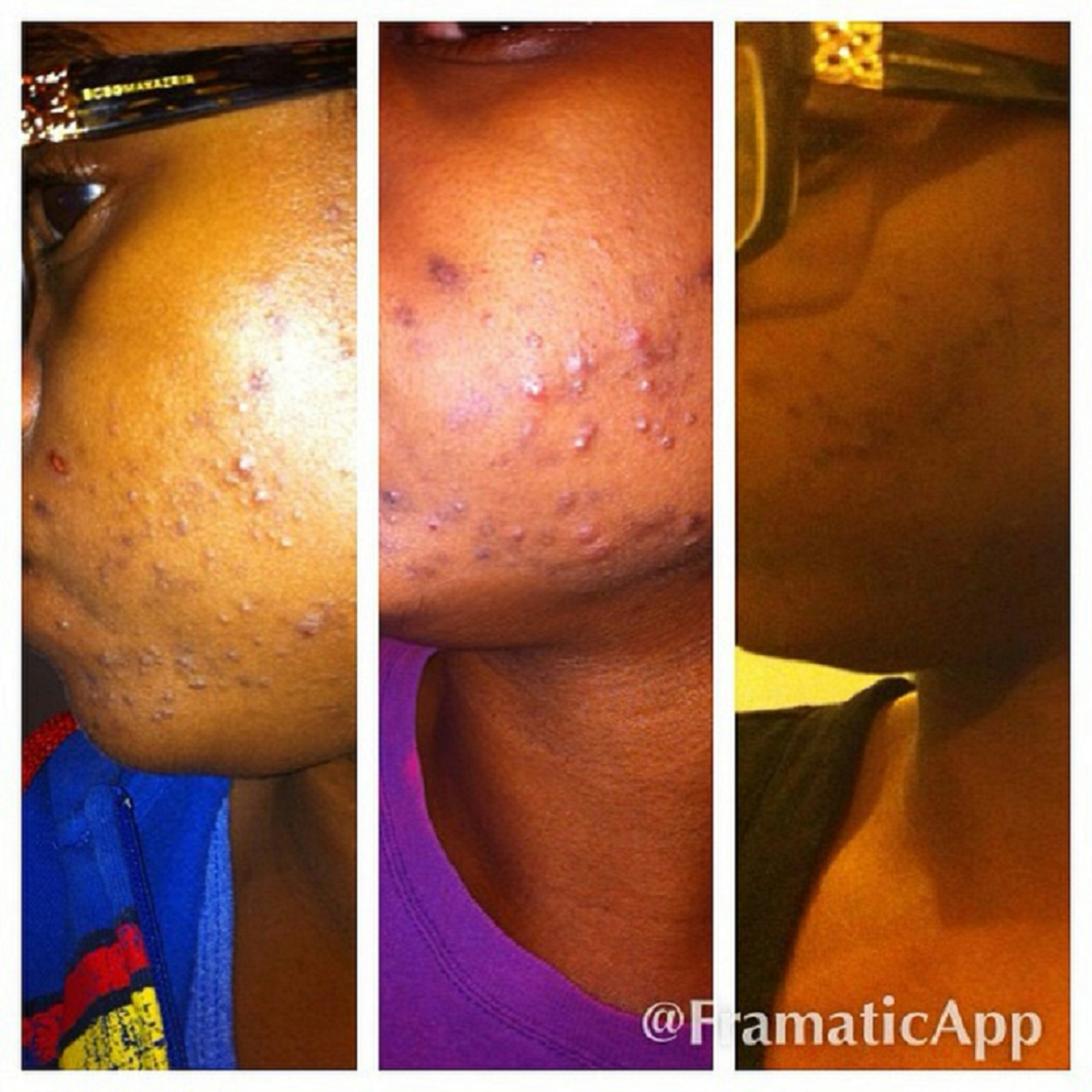
The Role of Diet in Acne Development
The relationship between diet and acne has gained significant attention recently. Many researchers are investigating how certain dietary habits can influence skin health. One of the key factors linked to acne development is the consumption of high glycemic index (GI) foods. Foods that rank high on the glycemic index can lead to rapid spikes in blood sugar levels. Examples include white bread, sugary beverages, and fast foods. This spike triggers a cascade of hormonal reactions that may exacerbate acne outbreaks by stimulating oil production in the skin.
Furthermore, studies have shown a clear correlation between dairy consumption and acne incidence. Research suggests that hormones in milk and dairy products can interact with the body’s own hormones. This interaction can intensify acne formation. Additionally, the relationship between processed sugars and acne severity highlights the importance of monitoring sugar intake. Excessive sugar consumption can provoke inflammation, which is another significant contributor to acne.
To foster healthier skin, adopting a balanced diet rich in anti-inflammatory foods is beneficial. Incorporating fruits, vegetables, and whole grains can support overall health. Omega-3 fatty acids can also help. They can reduce the frequency and severity of acne. For instance, berries, leafy greens, and fatty fish have antioxidant properties. These properties combat oxidative stress in the body. Moreover, drinking adequate water helps keep skin hydration and can help in flushing out toxins.
Individuals struggling with acne find that assessing their dietary choices can lead to improvements. Making conscious adjustments will yield significant improvements in their skin condition. One can achieve clearer skin by prioritizing nutrient-dense and low-GI foods. It is also important to reduce refined sugars and dairy.
The Impact of Stress on Skin Health
Stress plays a significant role in affecting various aspects of our health, including skin conditions like acne. When individuals experience stress, the body responds by releasing hormones, notably cortisol. Elevated levels of cortisol can increase oil production in the skin’s sebaceous glands. This results in clogged pores and subsequent acne breakouts. Additionally, stress may impair the skin’s immune response. This makes it more susceptible to inflammation and infection. These issues can exacerbate acne symptoms.
Heightened stress levels often lead to unhealthy coping mechanisms. These include poor dietary choices, lack of physical activity, and inadequate sleep—all of which can adversely affect skin health. For instance, a diet high in refined sugars and unhealthy fats has been linked to increased acne severity. Regular exercise is known to promote better skin circulation. It also reduces stress levels.
To manage stress effectively and minimize its impact on acne, individuals can adopt several strategies. Practicing mindfulness through techniques such as meditation, deep-breathing exercises, or yoga can significantly reduce stress levels. These techniques not only help in relaxing the mind but also improve overall well-being, contributing to clearer skin over time.
Moreover, maintaining a balanced lifestyle is crucial. Regular physical activity helps reduce stress. Prioritizing adequate sleep also aids in stress reduction. Consuming a nutrient-rich diet promotes skin health as well. Limiting caffeine and alcohol intake, along with establishing a consistent skincare routine, can further support clear skin. Ultimately, by addressing stress through these approaches, individuals can enhance their skin’s resilience to acne and improve overall skin health.
Significance of Skincare Routines
Maintaining a proper skincare routine is essential in managing and controlling acne. The skin is a delicate organ that can be easily influenced by external factors, including the products applied to it. Using harsh products can lead to irritation, inflammation, and ultimately exacerbate acne. These harsh cleansing agents strip the skin of its natural oils. This prompts an overproduction of sebum. The excess sebum can clog pores and lead to breakouts.
On the other hand, gentle cleansing is fundamental in a skincare regimen aimed at acne control. Opting for mild, sulfate-free cleansers helps to preserve the skin’s natural barrier. It is advisable to cleanse the skin twice daily. Cleanse once in the morning and once at night. This routine removes impurities without causing extra stress. Incorporating non-comedogenic products is also critical. They are formulated to avoid blocking pores. This helps to reduce the risk of new acne formation.
Common mistakes in skincare routines can also contribute to the worsening of acne. For instance, over-exfoliating can irritate the skin and lead to excess oil production. Furthermore, switching products too frequently can aggravate the skin, making it difficult to determine what works and what doesn’t. Individuals often overlook the importance of moisturizing, mistakenly believing that dry skin is less prone to acne. However, maintaining hydration can actually support the skin’s healing process.
To set up a balanced skincare regimen, it is advisable to include products containing salicylic acid. Alternatively, you can use benzoyl peroxide. These ingredients are effective in treating acne. Moreover, regularly evaluating your skincare products is important. Adapting based on skin responses can significantly preserve a healthy complexion. Regular, methodical routines not only enhance the skin’s appearance but also empower individuals to manage acne more effectively.
Lifestyle Choices and Their Effects on Acne
Acne is a multifactorial condition, and lifestyle choices significantly influence its development and severity. Individuals can control various habits. Sleep patterns, physical activity, and substance use are critical factors in skin health. Understanding these connections can empower individuals to make informed decisions that benefit their skin.
Sleep is often overlooked as a vital part of skin health. Quality sleep enables the body to repair itself and regulates hormone levels. Inadequate sleep can lead to stress, which in turn triggers hormonal imbalances that contribute to acne flare-ups. To regulate body functions, it’s important to set up a consistent sleep schedule. Ensuring 7-9 hours of quality rest each night also reduces acne occurrences.
Physical activity is another essential factor linked to acne management. Regular exercise promotes better blood circulation, which helps nourish the skin and can reduce breakouts. Additionally, physical activity aids in reducing stress levels, which is beneficial given that stress can exacerbate acne. Individuals should aim for at least 150 minutes of moderate-intensity exercise weekly to enjoy these positive skin benefits.
Moreover, habits like smoking and excessive alcohol consumption can have detrimental effects on skin health. They lead to increased inflammation and poorer skin conditions. Smoking has harmful chemicals. These chemicals can disrupt the skin’s natural barrier. Alcohol can dehydrate the skin. This dehydration impairs its ability to heal and regenerate. Making healthier lifestyle choices, like quitting smoking or moderating alcohol intake, can enhance skin appearance and overall health.
In conclusion, adopting a holistic approach to lifestyle choices is crucial when addressing acne. Individuals can significantly enhance their skin health by focusing on adequate sleep. Engaging in regular physical activity is also important. Furthermore, avoiding harmful substances can help reduce the incidence of acne.
Key Takeaways
- Diet plays a crucial role in acne development; high glycemic index foods and dairy can worsen acne.
- Incorporating anti-inflammatory foods like fruits, vegetables, and omega-3 fatty acids can improve skin health.
- Stress contributes to acne by increasing oil production; managing stress through mindfulness and exercise helps skin health.
- Gentle skincare routines that avoid harsh products promote clearer skin; using salicylic acid or benzoyl peroxide can be beneficial.
- Lifestyle choices like adequate sleep and regular exercise significantly impact acne; avoiding smoking and excessive alcohol enhances skin condition.
Estimated reading time: 6 minutes